
Dental Insurance Plans in Texas
Skipping dental care because of cost is one of the most common health decisions Texans regret. A small cavity that gets ignored for a year can turn into a root canal or crown that costs ten times more. Dental insurance makes routine care affordable so small problems get treated before they become expensive ones.
At Wilkerson Insurance Agency, we help individuals, families, and self-employed Texans across Dallas-Fort Worth, Houston, and beyond compare dental plans from multiple carriers. We find coverage that fits your budget and your dentist, not just what one company wants to sell you.







Why Dental Insurance Matters More Than Most People Realize
Most people think of dental care as separate from their overall health. Research tells a different story. Studies consistently link poor oral health to serious conditions including heart disease, diabetes complications, and respiratory infections. Taking care of your teeth is taking care of your body.
The financial case is equally clear. For every dollar spent on preventive dental care, research shows that $8 to $50 can be saved in restorative and emergency treatment costs. Two cleanings a year costs far less than one crown. Dental insurance makes that math work in your favor.
Research shows: for every $1 spent on preventive dental care, $8 to $50 is saved in restorative and emergency treatment costs.
Without coverage, the majority of adults admit they delay or avoid dental visits due to anticipated cost. That delay almost always results in a larger, more painful, and more expensive problem down the road. Dental insurance removes that barrier.
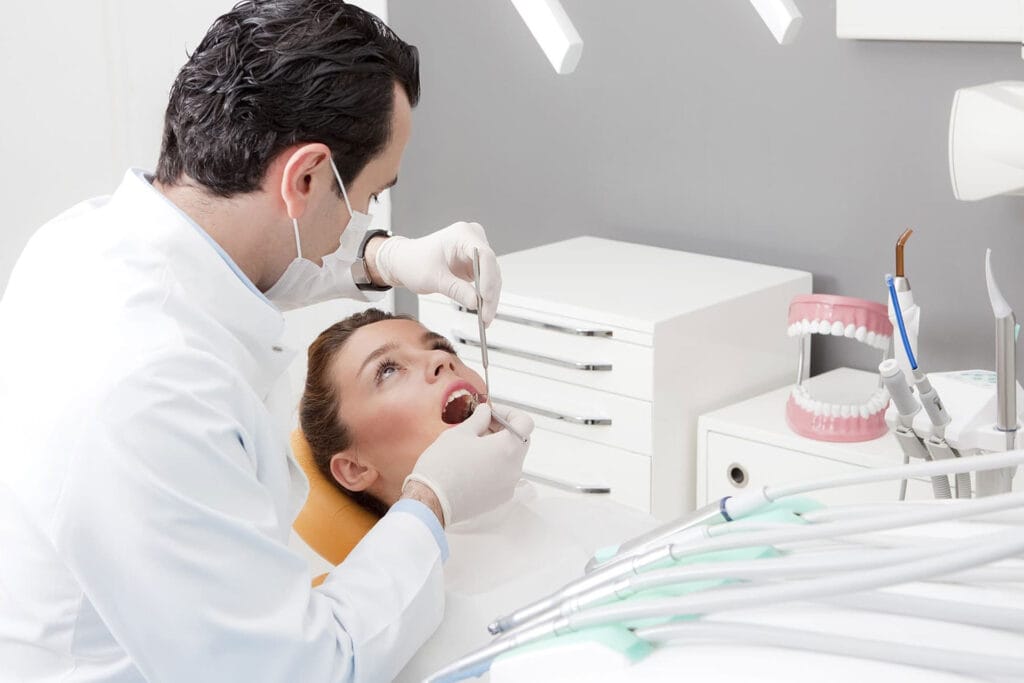
What Does Dental Insurance Cover in Texas?
Most dental insurance plans in Texas organize coverage into three tiers. Understanding these tiers helps you predict your real out-of-pocket costs before you ever sit in the dentist’s chair.
Coverage Tier | Common Services | Typical Plan Coverage |
Preventive (Class I) | Cleanings, exams, X-rays, fluoride treatments | 100% covered, usually no waiting period |
Basic (Class II) | Fillings, simple extractions, emergency treatment | 70% to 80% after deductible, 3 to 6 month wait possible |
Major (Class III) | Crowns, bridges, root canals, dentures, oral surgery | 50% after deductible, 6 to 12 month wait common |
Preventive Care (Class I)
Preventive care is the foundation of every dental plan. Most plans cover two routine cleanings per year, oral exams, and standard X-rays at 100 percent with no deductible and no waiting period. For children, fluoride treatments and sealants are often included. Using your preventive benefits fully each year is one of the best ways to keep your total dental costs low.
Basic Services (Class II)
Basic services cover common dental work such as fillings for cavities, simple tooth extractions, and emergency treatment for dental pain. Plans typically reimburse 70 to 80 percent of the cost after your deductible is met. Some plans impose a waiting period of 3 to 6 months for basic services, though prior coverage can often waive that period.
Major Services (Class III)
Major services address more complex dental needs including crowns, bridges, root canals, dentures, and oral surgery. These are usually covered at 50 percent after your deductible. Waiting periods of 6 to 12 months are common for major services on many Texas dental plans. Knowing this before you enroll saves you from a frustrating surprise when you need care most.

What dental insurance does NOT cover:
Understanding your exclusions is just as important as knowing your benefits. Most dental plans in Texas do not cover the following:
- Cosmetic procedures including teeth whitening and veneers
- Orthodontic treatment such as braces or aligners, unless specifically included in the plan
- Dental implants, unless you are on a select plan that includes implant coverage with a lifetime maximum
- Pre-existing conditions that were present before your coverage began, on some plans
- Services that exceed your annual maximum benefit, which typically ranges from $1,000 to $3,000
- Experimental or non-standard procedures not recognized as medically necessary
Always check your plan's exclusions list before scheduling major procedures. Knowing in advance what your plan will and will not pay avoids unexpected bills.

2000+
Happy Clients
130+
Projects Completed
15
Years of Experience
9
Team Members
Types of Dental Insurance Plans Available in Texas
Texas residents have access to four main types of dental coverage. The right type depends on your priorities: cost, flexibility, or speed of coverage. Here is how each one works.
Plan Type | Premium Level | Network Required? | Best For |
Dental PPO | Medium to High | Preferred, not required | Texans who want freedom to keep their current dentist |
Dental HMO | Low to Medium | Yes, must stay in network | Budget-focused individuals comfortable with one network |
Dental Indemnity | High | No network needed | Texans in rural areas or those needing maximum dentist choice |
Savings Plan | Low (membership) | Participating providers | Those needing coverage fast or with pre-existing conditions |
Dental PPO Plans
A Dental PPO (Preferred Provider Organization) is the most common type of dental insurance in Texas. You can visit any licensed dentist, but you save more when you choose a dentist within the plan’s network.
In-network dentists have agreed to reduced fees, which lowers your out-of-pocket costs. PPO plans are the best fit for Texans who want to keep their existing dentist or who want the freedom to switch providers without restrictions.
Dental HMO Plans
A Dental HMO (Health Maintenance Organization) plan requires you to select a primary dentist from a specific network and receive all care through that provider. Premiums are lower, and there are no annual deductibles or annual benefit maximums on most HMO plans.
This structure works well for individuals and families who want predictable low costs and are comfortable staying within a defined network of Texas dentists.
Dental Indemnity Plans
Dental indemnity plans offer the greatest freedom. You can visit any licensed dentist anywhere in Texas, and the plan pays a set percentage of the fee regardless of network status. Premiums are higher because there are no negotiated discounts, but this type is valuable for Texans in rural areas outside major DFW or Houston networks where provider options are limited.
Dental Savings and Discount Plans
Dental savings plans are not insurance. They are membership programs that give you access to discounts of 20 to 40 percent on dental services from participating providers. There are no waiting periods, no annual maximums, and no claims to file.
These plans suit people who need dental access quickly, who have pre-existing conditions that traditional insurance may not cover immediately, or who simply want to lower costs without the structure of a full insurance plan.
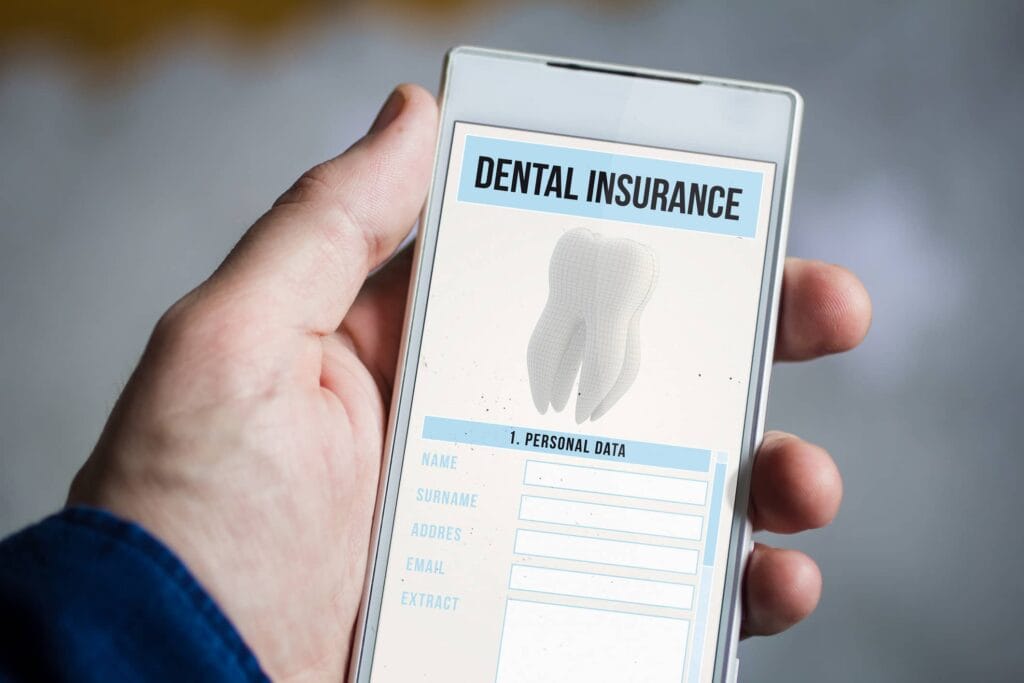
How Much Does Dental Insurance Cost in Texas?
Dental insurance premiums in Texas vary by carrier, plan type, and your zip code. Here are general ranges you can expect in 2025:
- Individual Dental PPO: approximately $18 to $60 per month
- Family Dental PPO: approximately $45 to $150 per month
- Dental HMO (individual): approximately $10 to $30 per month
- Dental savings plans: approximately $8 to $20 per month as a membership fee
Four cost factors to understand before you buy:
- Premium: the monthly amount you pay to keep the plan active
- Deductible: the amount you pay out of pocket before your plan starts sharing costs, usually $50 to $100 per person annually
- Coinsurance: your share of the cost after the deductible, typically 20 to 50 percent depending on service tier
- Annual maximum: the most your plan will pay in one calendar year, commonly $1,000 to $3,000
In the Dallas-Fort Worth market and across Houston, in-network dentists charge negotiated rates that are often 20 to 40 percent lower than standard fees. Choosing an in-network provider in your Texas city significantly reduces your actual out-of-pocket spending beyond the premium alone.
Dental Insurance for Special Situations in Texas

Dental Insurance for Families and Children in Texas
Children have specific dental needs that differ from adults. Fluoride treatments, dental sealants, and early orthodontic screenings are common services that family dental plans should include. When comparing family plans in Texas, pay close attention to the per-child coverage amounts and whether orthodontic benefits are bundled or require a separate rider.
Texas families with children who meet income requirements may also qualify for CHIP dental coverage, which provides free or low-cost dental care for eligible minors. An independent broker can help you determine whether a private plan or CHIP provides better coverage for your household at your income level.

Dental Insurance for Self-Employed Texans
Freelancers, contractors, and small business owners across Dallas, Houston, Austin, and beyond do not have employer-sponsored dental plans. They must purchase coverage independently. The good news is that individual dental plans in Texas are available year-round with no open enrollment restriction.
Self-employed Texans may also be able to deduct dental insurance premiums as a business expense, which effectively lowers the real cost of coverage. A licensed insurance broker can walk you through available carriers, compare plans suited to your income and care frequency, and help you enroll in a matter of days.

Dental Insurance for Seniors in Texas
Original Medicare does not include routine dental coverage. Texas seniors who rely solely on Medicare have no protection for cleanings, fillings, extractions, or dentures. A standalone individual dental plan is the most direct solution. Some Medicare Advantage plans in Texas include dental benefits, but coverage levels vary significantly by plan and carrier.
When evaluating dental coverage as a senior in Texas, look closely at annual maximums, waiting periods for major services, and whether the plan covers dentures and oral surgery. These are the services most frequently needed after age 65, and they are the most expensive when paid out of pocket.

Waiting Periods: What Every Texas Shopper Needs to Know
Certain services. Waiting periods exist to prevent people from enrolling only when they need expensive treatment and then canceling. Understanding this before you buy protects you from frustration.
Here is how waiting periods typically work in Texas dental plans:
- Preventive care: no waiting period on most plans. Cleanings and exams are accessible from day one
- Basic services: 3 to 6 months is typical for fillings and extractions
- Major services: 6 to 12 months is common for crowns, root canals, and dentures
- Orthodontics: 12 months is standard when orthodontic coverage is included
If you had prior dental coverage that lapsed no more than 63 days ago, many Texas carriers will waive the waiting period for basic and major services. This is called continuity of coverage, and it is one reason why maintaining uninterrupted dental coverage saves money in the long run.
The single best way to avoid waiting period problems is to enroll before you need care. Once coverage is active and the waiting period passes, you have full access to your benefits.
In-Network vs. Out-of-Network Dentists in Texas
Choosing an in-network dentist in your Texas city is one of the simplest ways to reduce your dental costs. In-network providers have agreed to charge negotiated rates for covered services. Those reduced rates apply to your coinsurance calculation, which means your share of the bill is based on a lower number.
An out-of-network dentist charges their standard fees. Your plan may still pay a portion, but you are responsible for the difference between what your plan allows and what the dentist charges. In high-cost metropolitan areas like central Dallas or Houston’s Medical Center district, that gap can be significant.
Before enrolling in any plan, ask these three questions:
- Is my current dentist in this plan’s network?
- How large is the network in my specific Texas city or zip code?
- What percentage does the plan pay for out-of-network care if I ever need it?
At Wilkerson Insurance Agency, we check network availability for your specific zip code before recommending any plan. A plan with a large national network but few providers in Farmers Branch, Coppell, or your Houston neighborhood is not the right fit for you, regardless of how affordable the premium looks on paper.

Why Work With a Local Dental Insurance Broker in Texas?
National dental insurance websites show you one company’s options. An independent broker shows you all of them, compares them side by side, and tells you which one actually fits your situation.
At Wilkerson Insurance Agency, we have been helping Texas residents find the right dental coverage since 2010. We have guided more than 2,000 clients across the Dallas-Fort Worth area and Houston, from young families in Coppell and Plano to retirees in Colleyville and self-employed professionals in Irving and Lewisville.
Here is what working with us looks like:
including Cigna, Humana, Mutual of Omaha, Transamerica, and more. You see your options side by side in a single conversation, not scattered across five different websites.
before recommending any plan. If your dentist in Plano, Farmers Branch, or Houston is not in a carrier's network, we will tell you upfront and find a plan that keeps your care relationship intact.
including premiums, deductibles, coinsurance percentages, annual maximums, and exactly what happens when you hit that maximum. No surprises when the bill arrives.
whether you need basic preventive coverage, a family plan with orthodontic benefits, or major restorative coverage for treatment you already know is coming. Our recommendations are based on your situation, not on which plan pays the highest commission.
coordinating directly with your chosen carrier so you never have to figure out forms, waiting period rules, or submission deadlines on your own.
including which carriers have strong networks in DFW versus Houston, how Texas TDI regulations affect your rights as a plan holder, and which plans waive waiting periods for applicants with prior coverage.
If your carrier raises your premium at renewal, a better plan becomes available, or your dental needs change, we proactively reach out and review your options at no obligation.
Brokers are compensated by insurance carriers, not by clients. You receive expert, unbiased plan comparison and enrollment support at zero additional cost to you.
We are licensed in Texas and 18 additional states. Our team is led by LeRoy Wilkerson, a licensed independent agent with over 15 years of experience in Texas health and dental insurance markets.
What Our Customers Say
EXCELLENTTrustindex verifies that the original source of the review is Google. Mr. Leroy is the best! He was so patient, helpful and never made me feel rushed or pressured. He took so much time to make sure we found the right plan for our family, and was transparent with me regarding all steps of the process! highly recommend if you need help with health insurance!Posted onTrustindex verifies that the original source of the review is Google. My experience with Wilkerson Insurance Agency was amazing. LeRoy Wilkerson was very knowledgeable and helpful with my health insurance plan. The whole process was smooth and efficient. I highly recommend them and will definitely be returning.Posted onTrustindex verifies that the original source of the review is Google. From start to finish, LeRoy was fantastic!! He was extremely knowledgeable, diligent and professional. His expertise provided us with options that we didn't know existed. Well Done!!!!!Posted onTrustindex verifies that the original source of the review is Google. Without a doubt the best experience I have had with an insurance agency. Mr. Wilkerson took the time to explain the Medicare insurance options I was considering in a way that was easy for me to understand. This allowed me to make the best decision for my needs. I highly recommend The Wilkerson Insurance Agency for all of your insurance needs.Posted onTrustindex verifies that the original source of the review is Google. Leroy was a pleasure to work with in helping us find health insurance. He is kind, approachable, and very knowledgeable about all aspects of health insurance. He took the time to understand our needs and thoughtfully provided alternative options that truly fit our situation. Scheduling a meeting with him was very easy, and the meeting itself was efficient, clear, and helpful. We really appreciated his patience and guidance throughout the process and highly recommend Leroy to anyone looking for trustworthy and knowledgeable health insurance support.Posted onTrustindex verifies that the original source of the review is Google. Leroy went above and beyond to help our family find the right health insurance.Posted onTrustindex verifies that the original source of the review is Google. Great personal service. He was a great help in finding me the right insurance.Posted onTrustindex verifies that the original source of the review is Google. LeRoy was very helpful and knowledgeable. After a lot of stress trying to figure things out on my own, I appreciate how easy he made the process. Highly recommend.Posted onTrustindex verifies that the original source of the review is Google. I truly appreciate the great service I received from LeRoy Wilkerson. He was professional, responsive, and made everything easy to understand. He took the time to explain my options, answered all my questions, and made sure I had the right coverage. LeRoy did a great job, I highly recommend him to anyone looking for a trustworthy insurance agent!Posted onTrustindex verifies that the original source of the review is Google. Leroy is very knowledgeable of the various plans. He is patient and helps you to make the best decision that fit your needs. He helped me save money and the process less stressful. I highly recommend you give him a call.
Area We Served
Wilkerson Insurance Agency proudly serves Texas locations, helping find the best insurance plans. Our team is ready to provide personalized health insurance solutions that meet your unique needs, no matter where you are in Texas.
- Alabama
- Arkansas
- Arizona
- California
- Colorado
- Florida
- Georgia
- Illinois
- Indiana
- Kentucky
Common Questions About Dental Insurance in Texas
Implant coverage is available but not included in all plans. Select dental plans from carriers like Cigna offer implant coverage with a lifetime maximum, typically $2,000 per implant after a 12-month waiting period. When comparing plans, ask specifically whether implants are included and what the lifetime limit is.
Preventive care has no waiting period on most plans and is covered from day one. Basic services such as fillings commonly have a 3 to 6 month wait. Major services such as crowns and root canals typically require 6 to 12 months. If you had uninterrupted dental coverage that ended no more than 63 days ago, many carriers will waive those waiting periods.
Yes. Individual dental plans are available to self-employed Texans year-round without an employer. Wilkerson Insurance Agency helps contractors, freelancers, and small business owners across Dallas, Houston, and the rest of Texas compare and enroll in plans that fit their income and care needs.
Original Medicare Parts A and B do not cover routine dental care. Texas seniors need either a standalone individual dental plan or a Medicare Advantage plan that includes dental benefits. Coverage levels under Medicare Advantage dental riders vary significantly, so comparing plans with a broker before choosing is worth the time.
There is no single best plan for everyone. The right plan depends on your budget, how often you visit the dentist, whether you need major restorative work, and whether your preferred dentist is in a plan's network. A local independent broker compares options from multiple carriers against your specific situation, which gives you a far more accurate answer than any national comparison website.
Yes. Carriers including Cigna and Humana offer bundled plans that combine dental, vision, and hearing benefits into a single monthly premium. These bundles often cost less than purchasing three separate plans. At Wilkerson Insurance Agency, we compare both individual and bundled plans to determine which structure saves you the most money for the coverage you actually need.
Get in Touch
Phone
Physical Address
2727 LBJ Freeway, Suite 1062 Farmers Branch, TX 75234
Mailing Address
P.O. BOX 1711 Coppell, TX 75019